

Secoda AI
Last updated:
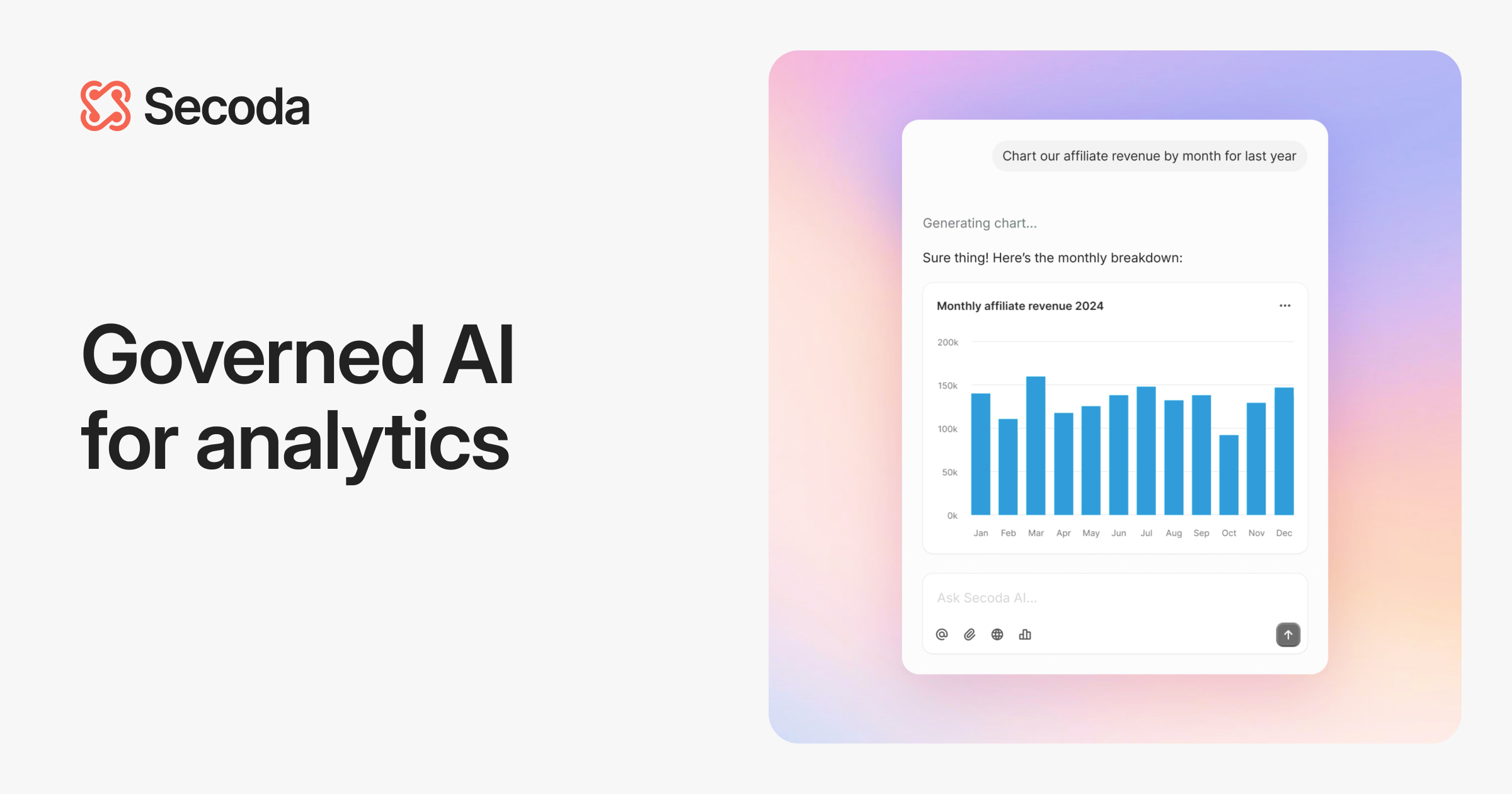
Secoda AI is an advanced, unified AI-powered data governance platform designed to centralize and manage an organization's entire data landscape. It seamlessly integrates data cataloging, observability, lineage tracking, and robust governance capabilities. By leveraging artificial intelligence, Secoda automates critical tasks like documentation and provides intuitive natural language search, significantly improving data discoverability, fostering trust in data assets, and optimizing their utilization across all departments.
What It Does
Secoda AI works by connecting to various data sources, automatically extracting and cataloging metadata, and building comprehensive data lineage maps. Its AI engine then enriches this metadata with automated documentation and enables users to query data assets using natural language. This process transforms fragmented data environments into a cohesive, searchable, and governable resource, making data more accessible and understandable for everyone.
Pricing
Pricing Plans
Tailored pricing for organizations with specific data governance and cataloging needs, requiring a demo and consultation with the sales team.
- Full platform access
- Custom integrations
- Dedicated support
- Enterprise-grade security
Core Value Propositions
Enhanced Data Discoverability
Users can quickly find and understand relevant data assets through intuitive search and automated documentation, reducing time spent searching for information.
Improved Data Trust & Quality
Comprehensive lineage and observability features ensure data accuracy, freshness, and reliability, building confidence in data-driven insights.
Automated Documentation & Context
AI-driven automation keeps metadata and data definitions up-to-date, providing rich context without manual overhead, saving valuable team resources.
Streamlined Data Governance
Centralized policies and access controls simplify compliance and ensure data usage aligns with organizational standards and regulatory requirements.
Use Cases
Onboarding New Data Team Members
Provides new hires with a comprehensive, searchable data catalog and automated documentation to quickly understand existing data assets and their context.
Ensuring Data Compliance
Tracks data lineage and enforces access controls to meet regulatory requirements like GDPR or CCPA, demonstrating data usage and protecting sensitive information.
Troubleshooting Data Quality Issues
Utilizes data observability to identify and alert on data quality anomalies, helping data engineers quickly pinpoint and resolve issues before they impact business decisions.
Empowering Self-Service Analytics
Enables business users to independently discover, understand, and trust data assets through natural language search, reducing reliance on data teams for basic queries.
Understanding Impact of Schema Changes
Leverages data lineage to visualize the downstream effects of schema modifications or data pipeline changes on reports, dashboards, and other data products.
Centralizing Business Glossary
Creates a unified, company-wide glossary of business terms and metrics, ensuring consistent understanding and usage of critical data definitions.
Technical Features & Integration
AI-powered Data Catalog
Automatically indexes and enriches metadata from all data sources, enabling quick discovery and understanding of data assets through intelligent search.
Automated Data Lineage
Maps the end-to-end journey of data from source to consumption, providing clear visibility into transformations and dependencies for impact analysis and troubleshooting.
Proactive Data Observability
Monitors data quality, freshness, volume, and schema changes, alerting users to potential issues before they impact downstream analytics or operations.
Centralized Data Governance
Establishes and enforces data access policies, ensures compliance with regulations, and manages data definitions through a unified platform.
Natural Language Search
Allows users to find data assets by asking questions in plain English, democratizing data access and reducing reliance on technical expertise.
Automated Documentation Generation
Uses AI to automatically generate and update data descriptions, definitions, and usage examples, keeping the data catalog current with minimal manual effort.
Extensive Integrations
Connects seamlessly with a wide array of databases, data warehouses, BI tools, and data transformation platforms like Snowflake, BigQuery, dbt, and Tableau.
Collaborative Data Dictionary
Provides a shared space for teams to define business terms, data assets, and metrics, fostering a common understanding of data across the organization.
Target Audience
Secoda AI is primarily designed for data professionals, including data analysts, data scientists, data engineers, and data governance officers, within data-driven organizations. It also serves business stakeholders who need reliable, easily discoverable data for decision-making. Companies of all sizes looking to enhance data literacy, improve data quality, and ensure regulatory compliance will find significant value.
Frequently Asked Questions
Secoda AI is a paid tool. Available plans include: Contact Sales.
Secoda AI works by connecting to various data sources, automatically extracting and cataloging metadata, and building comprehensive data lineage maps. Its AI engine then enriches this metadata with automated documentation and enables users to query data assets using natural language. This process transforms fragmented data environments into a cohesive, searchable, and governable resource, making data more accessible and understandable for everyone.
Key features of Secoda AI include: AI-powered Data Catalog: Automatically indexes and enriches metadata from all data sources, enabling quick discovery and understanding of data assets through intelligent search.. Automated Data Lineage: Maps the end-to-end journey of data from source to consumption, providing clear visibility into transformations and dependencies for impact analysis and troubleshooting.. Proactive Data Observability: Monitors data quality, freshness, volume, and schema changes, alerting users to potential issues before they impact downstream analytics or operations.. Centralized Data Governance: Establishes and enforces data access policies, ensures compliance with regulations, and manages data definitions through a unified platform.. Natural Language Search: Allows users to find data assets by asking questions in plain English, democratizing data access and reducing reliance on technical expertise.. Automated Documentation Generation: Uses AI to automatically generate and update data descriptions, definitions, and usage examples, keeping the data catalog current with minimal manual effort.. Extensive Integrations: Connects seamlessly with a wide array of databases, data warehouses, BI tools, and data transformation platforms like Snowflake, BigQuery, dbt, and Tableau.. Collaborative Data Dictionary: Provides a shared space for teams to define business terms, data assets, and metrics, fostering a common understanding of data across the organization..
Secoda AI is best suited for Secoda AI is primarily designed for data professionals, including data analysts, data scientists, data engineers, and data governance officers, within data-driven organizations. It also serves business stakeholders who need reliable, easily discoverable data for decision-making. Companies of all sizes looking to enhance data literacy, improve data quality, and ensure regulatory compliance will find significant value..
Users can quickly find and understand relevant data assets through intuitive search and automated documentation, reducing time spent searching for information.
Comprehensive lineage and observability features ensure data accuracy, freshness, and reliability, building confidence in data-driven insights.
AI-driven automation keeps metadata and data definitions up-to-date, providing rich context without manual overhead, saving valuable team resources.
Centralized policies and access controls simplify compliance and ensure data usage aligns with organizational standards and regulatory requirements.
Provides new hires with a comprehensive, searchable data catalog and automated documentation to quickly understand existing data assets and their context.
Tracks data lineage and enforces access controls to meet regulatory requirements like GDPR or CCPA, demonstrating data usage and protecting sensitive information.
Utilizes data observability to identify and alert on data quality anomalies, helping data engineers quickly pinpoint and resolve issues before they impact business decisions.
Enables business users to independently discover, understand, and trust data assets through natural language search, reducing reliance on data teams for basic queries.
Leverages data lineage to visualize the downstream effects of schema modifications or data pipeline changes on reports, dashboards, and other data products.
Creates a unified, company-wide glossary of business terms and metrics, ensuring consistent understanding and usage of critical data definitions.



Get new AI tools weekly
Join readers discovering the best AI tools every week.